

|
Stories From the SanctuaryMeet the animals, follow the rescues, and see what life actually looks like at the sanctuary. We share updates on the herd, stories behind each rescue, care tips from the field, and honest glimpses into what it takes to run a llama sanctuary.
Want to be part of what we are building?
|
|
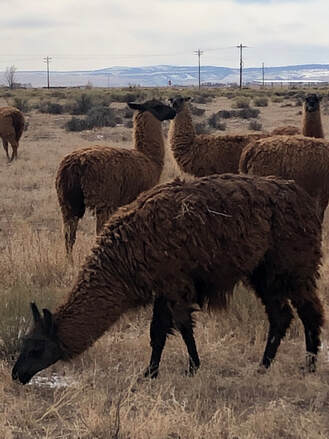
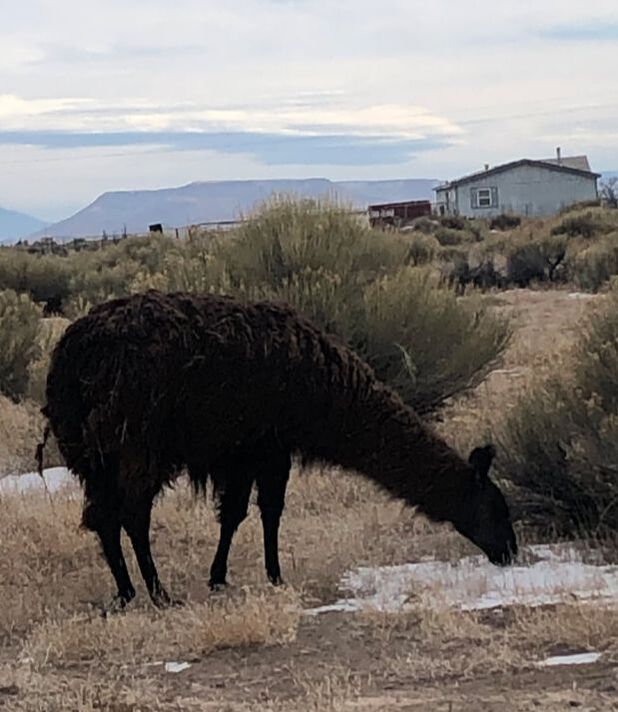
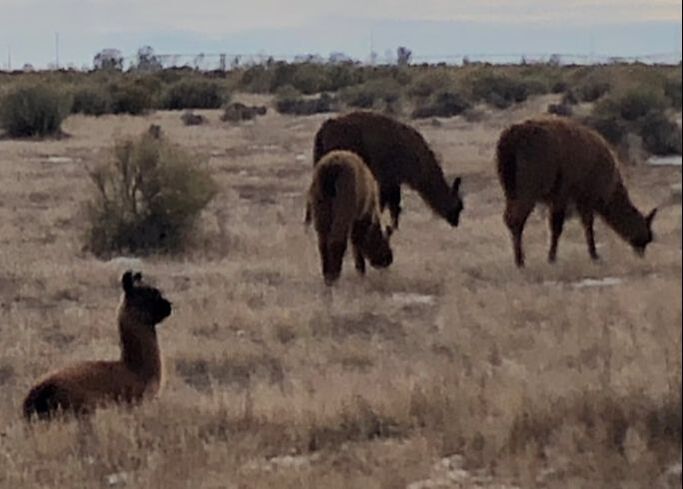
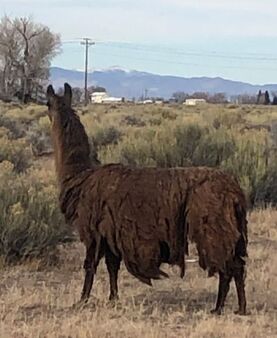
Animal control contacted me again about another llama rescue. I know the officer from the previous rescue we just did last month of 28 llamas at 11 Mile Canyon. This, she said, is about the same size herd. The original owner was now deceased for 5 years now and the other family members were not able to care for the llamas. This was a friendly situation, however, since the homeowner was ready and willing to surrender the llamas. First, was to see if they had food and water and if not, to deliver what was needed. This was in December and the temps were hovering around 0 degrees most mornings. It would get colder than that. We had to buy and set up a water tank with a heater so they could drink water and deliver bales of hay. The estimate was 25 llamas and that was exactly how many we ended up collecting, eventually. Melissa Dernoga volunteered to get some hay, buy a water heater, tank, and deliver it to the llamas. She bought about 15 bales I think and put one or two bales inside their yard. They had 160 acres of rabbit brush mostly. I was so glad she lived within an hours drive to the rescue site.
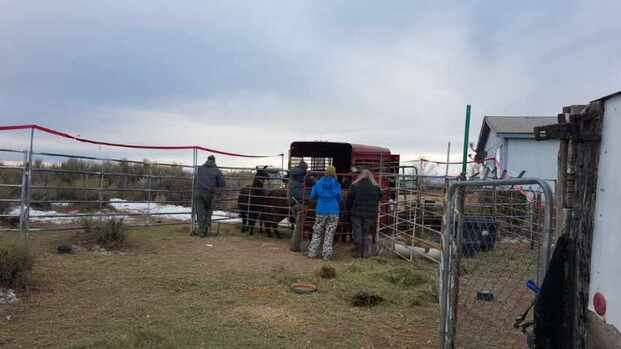
It would be a couple of weeks before we could go round up the llamas. We would need three trailers and three trucks to carry all the llamas to a sanctuary. Once we arrived and saw them, there were males, females, and crias. It was easy to walk among them, they were very calm and unafraid. We set up Robin Benton's trailer with grain near by and two different types of hay. and surrounded the trailer, grain, hay and water with a corral with a wide opening for them to enter. The team included myself, Frank, my husband, Jodi Addis, Robin Benton, Baily Nelson, and Andy Petrick. We had a good group of llama savvy people. This was Jodi's first llama rescue.
While we waited patently in the early morning, in our trucks out of the way of the corral opening, They all started meandering towards the corral area. they got within feet and all the sudden, the large black male alarmed. Of course they all went running to the other side of the 160 acre property. It was fairly flat (unlike 11 Mile Canyon) so we could generally see where they were - if sometimes we stood on top of the truck. We discovered the source of the alarm were some herding guard dogs that were protecting their flock of sheep across the road. This was frustrating as we had no control over the dogs other than to watch the road and try to keep them from scaring the llamas. Our corral was set up by the house which was next the road and we were not about to reset everything up. We had used as many panels as we could carry on our trailers - something like 20 panels - so that we could make a large enough corral that they would not shy away from it. It can't look like a trap or they would not enter. 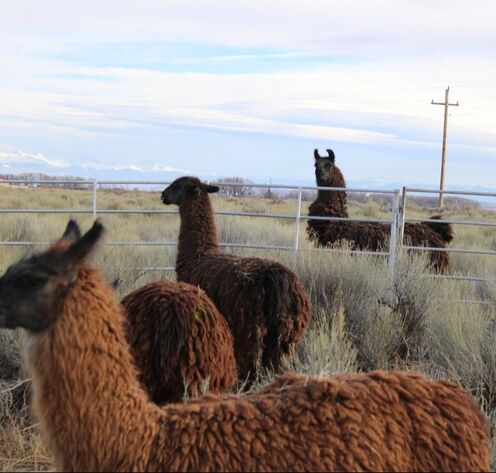 Large black male alarming caused the herd to flee several times. We named him Uno- seen outside the pen. 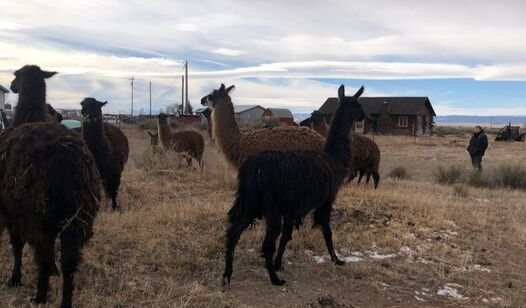 We only had Andy for one day and we knew loading up the llamas could take some man power so we just kept hoping we would get the llamas to come back to the corral voluntarily. It seemed like they would come in so close and then the same large black male would always alarm and then they would all run off. We waited hours in between expecting they would get thristy or want the food. The trailer and hay set up had been there for a week for them to get accustomed to it but it seems they never did get used to it. We observed them eating snow to hydrate out in the field rather than come to the warm water trough. Maybe they were afraid of the owners dog in the house as well. But generally, the owner and his dog were very still and quiet. They cooperated and did all that we could ask for. Our efforts all day waiting for the llamas to go into the large corralled area for food or water was in vain. We had high hopes for the next morning that they would come in and instead, the main male alarmed again and they all ran off. Frank told Jodi, "If we don't get them now, we aren't getting them." Andy had to go home so we were down a man and we had time pressures of our own now. Jodi headed out to the end of the field where the llamas were and started very gently herding them - very slowly- and very casually. She took the lead for the rescue operation at this point and we followed all her instructions. Jodi has experience with herding dogs and we were trying to be good herd dogs. Frank and Bailey were by the house and while reception was spotty, I hoped they would see what was happening and assist once we got them close to the pen. 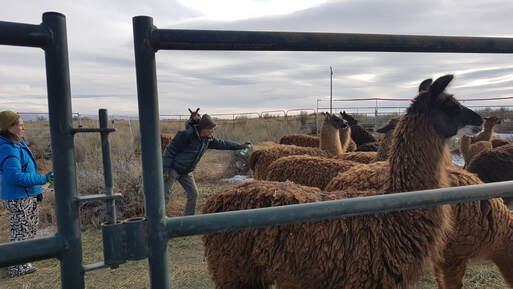
1 Comment
4/5/2026 01:58:51 am
It's heartwarming to hear about such a dedicated team rescuing these llamas. Leave a Reply. |
Categories
All
AuthorLynda Liptak is the founder of Llamas del Sol and is dedicated to sharing the awesomeness of llamas. She has owned llamas since February 2009 and it has been a very in-depth involvement. Lynda and her family have trekking llamas with very different personalities. Lynda has been studying camelid dynamics since the start of her llama adventures and is an active member of Marty McGee's Camelidynamics Forum. She has completed the Basics Clinic (multiple times, and always learns something new - or it sticks better) to include the shearing course, medication administering, and has hosted the Camelidynamics Basic training at the Llamas del Sol ranch. Archives
March 2025
|
 RSS Feed
